

Sliding vs Bifold Patio Doors: Which Is Better for Different Projects?
Choosing the right patio door system can make a significant difference to the overall look, practicality, and value of a project.
For homeowners, the decision often comes down to aesthetics, but for installers, builders, and trade professionals, there are several additional factors to consider, including opening sizes, available space, installation complexity, budget, thermal performance, and how the doors will be used day to day.
Sliding and bifold patio doors remain two of the most popular options on the market, but each system suits different types of properties and project requirements.
Why Sliding Patio Doors Remain a Popular Choice
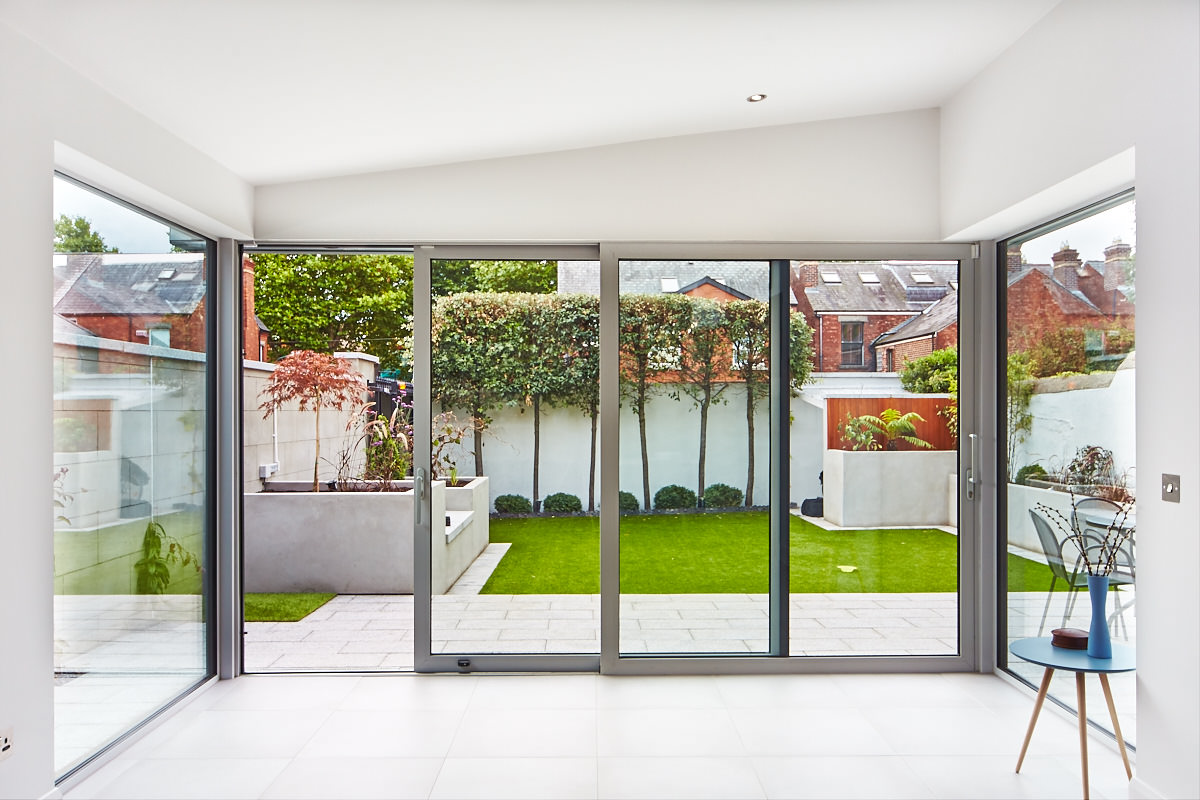
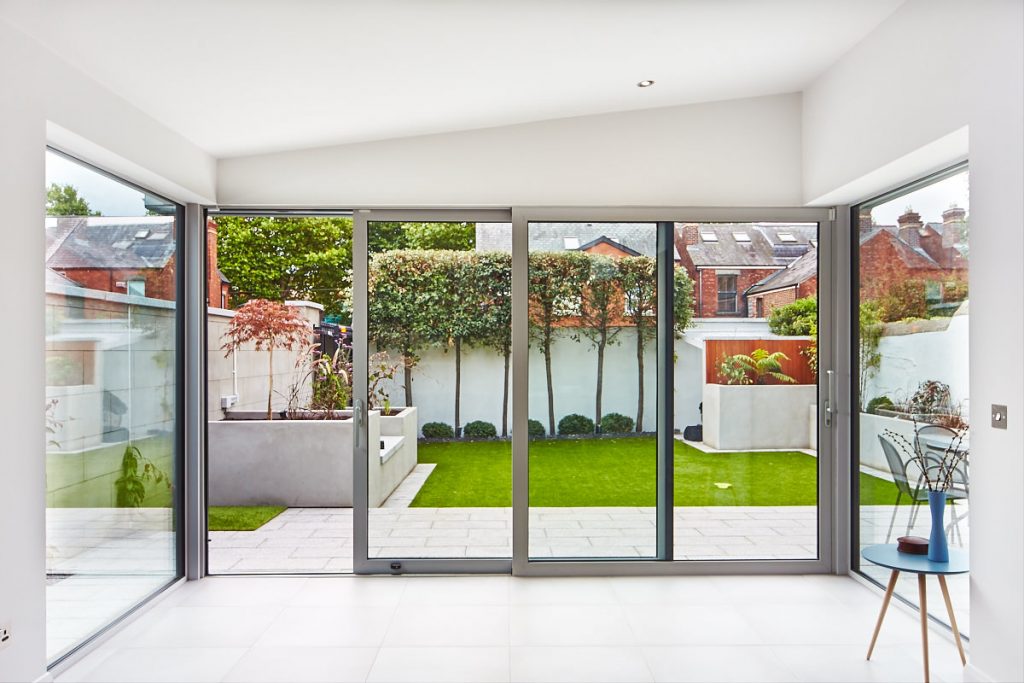
Sliding patio doors continue to be a strong choice for both residential renovations and new-build developments because of their simplicity, clean sightlines, and space-saving operation. The system works by using large glazed panels that slide horizontally along a track, with one or more moving panels depending on the configuration.
Because the panels do not project inwards or outwards when opened, sliding doors are particularly well suited to areas where usable floor space is limited. This makes them ideal for smaller patios, apartments, extensions with tight furniture layouts, or projects where maintaining uninterrupted internal and external space is important.
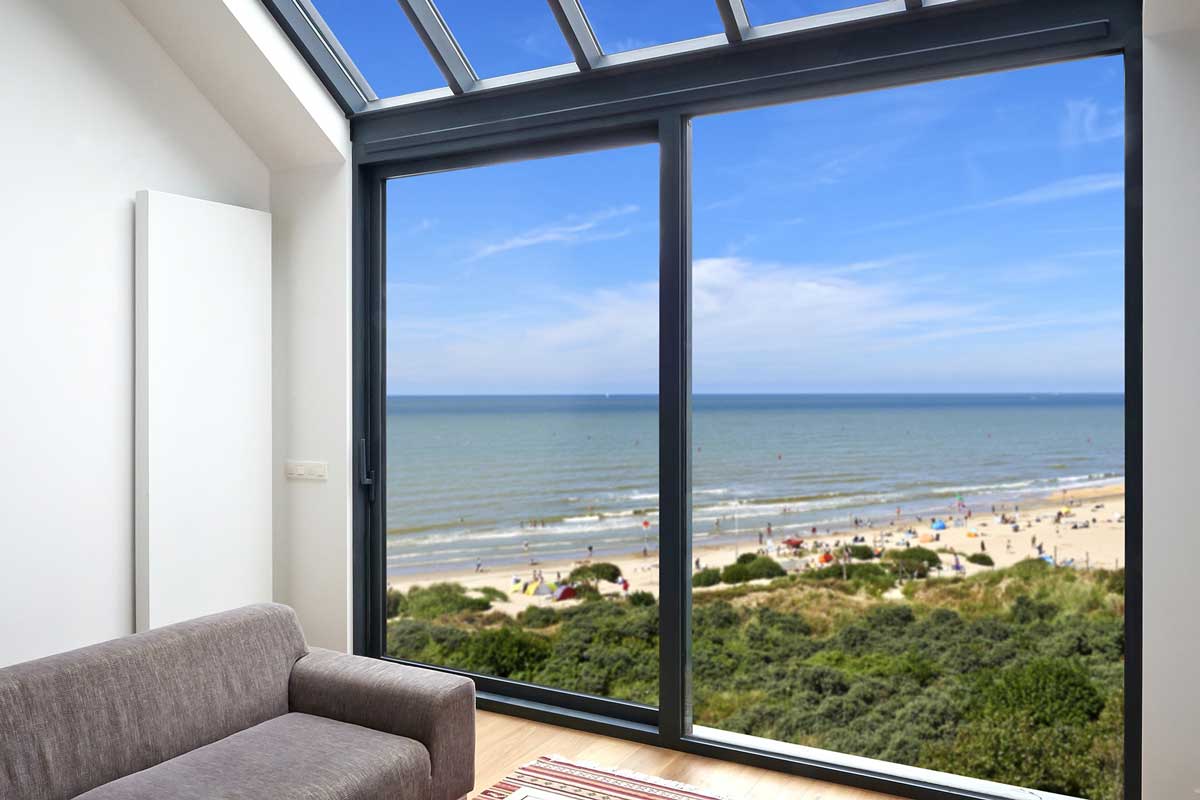
From an installation and specification point of view, sliding doors are often seen as the more straightforward option. They generally involve fewer moving components than bifold systems, which can reduce maintenance requirements over time and simplify installation. Modern aluminium sliding systems can also achieve very slim sightlines, allowing for large glazed areas and uninterrupted views, something that is increasingly popular in contemporary home design. Homeowners are often drawn to the amount of natural light sliding doors bring into a property, especially on wider openings where larger panes of glass can be used effectively.
Cost, Performance and Practical Considerations for Sliding Doors
Cost is another area where sliding doors can offer advantages. In many cases, they provide a more budget-friendly solution compared to bifold systems, particularly on larger openings where multiple bifold panels would otherwise be required.
For developers and contractors working within tighter project budgets, sliding doors can deliver a high-end appearance while keeping overall costs under control. They also tend to perform well thermally and acoustically due to having fewer panel joins and less frame interruption across the opening.
However, sliding doors do have limitations, particularly when clients are looking to create a fully open transition between indoor and outdoor spaces. Because at least one panel remains fixed in place, the opening is never completely clear. On wider spans, this can sometimes restrict access or reduce the open-plan feel that many homeowners are trying to achieve in kitchen extensions, garden rooms, or entertaining spaces.
The Benefits of Bifold Doors for Modern Projects
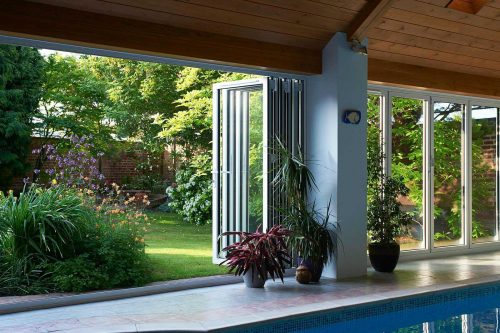
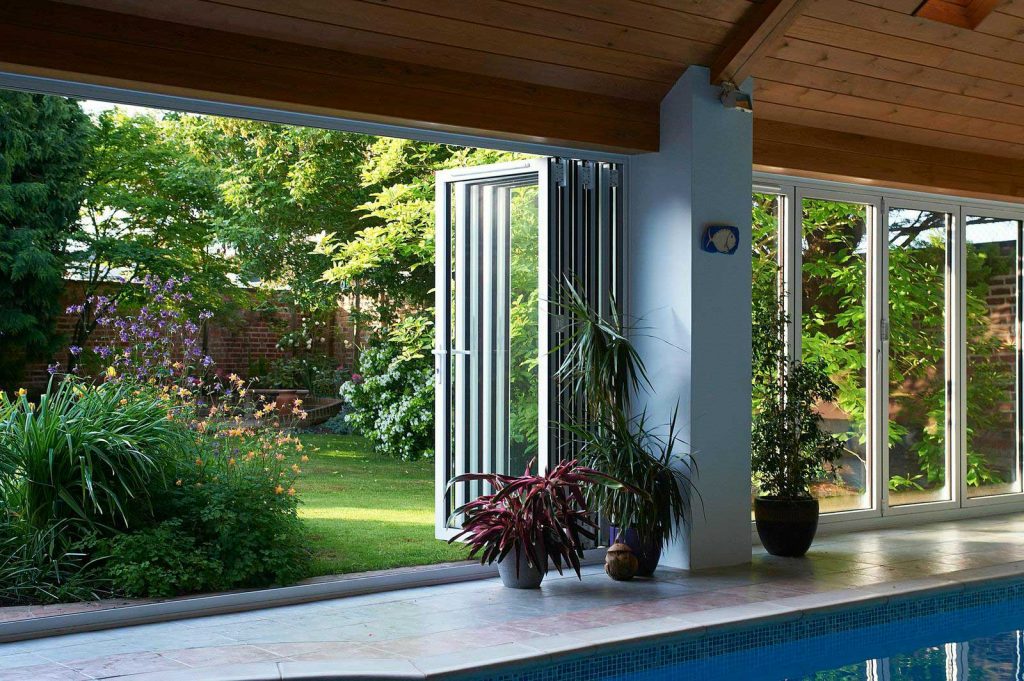
This is where bifold doors continue to stand out. Bifold systems are designed with multiple panels that fold and stack neatly to one or both sides of the opening, allowing the aperture to open almost completely.
For projects focused on creating a seamless connection between inside and outside spaces, bifold doors remain one of the most effective solutions available. They are especially popular in rear extensions, open-plan kitchens, and modern renovations where homeowners want maximum flexibility during warmer months.
One of the biggest advantages of bifold doors is the level of customisation available. Installers can configure panel numbers, opening directions, traffic doors, and stack positions to suit the exact requirements of the project. This flexibility makes bifold systems suitable for a wide range of property types and opening sizes. Visually, bifold doors also create a strong architectural feature, often becoming a key selling point for higher-end residential projects. Many homeowners see them as a premium addition that enhances both lifestyle and property value.
Installation and Space Considerations for Bifold Systems
That said, bifold systems can present additional considerations during specification and installation. They typically require more hardware, rollers, hinges, and moving components than sliding doors, meaning accurate installation and alignment are critical for long-term performance.
Threshold preparation is also particularly important, especially where level access or flush floor finishes are required. Compared to sliding systems, bifolds generally involve higher upfront costs, both in terms of materials and labour, which may influence decisions on budget-sensitive projects.
Space planning is another important factor. While bifold doors stack compactly when open, the folded panels still occupy space internally or externally, depending on the configuration. On smaller patios or tighter interior layouts, this can become a practical limitation. Trade professionals should also consider how clients will use the space throughout the year. In many cases, homeowners may only fully open bifold doors during warmer weather, whereas sliding doors are often used more consistently for ventilation and everyday access.
Choosing the Right Door System for the Project
Ultimately, the best option depends on the priorities of the project. Sliding doors are often the preferred choice where clean sightlines, larger glass panels, lower maintenance, and space efficiency are key considerations. They work particularly well in modern developments, apartments, and projects where simplicity and value are important.
Bifold doors, on the other hand, are better suited to projects aiming to maximise opening width and create a stronger indoor-outdoor connection, especially in high-spec residential extensions and lifestyle-focused renovations.
For installers and trade professionals, understanding these differences is essential when advising customers and specifying the right system. Both sliding and bifold patio doors offer strong benefits when used in the right setting, and selecting the most suitable option can significantly improve both the functionality and overall finish of a project.
If you are specifying aluminium patio doors for an upcoming project and need expert advice on the best solution, the team at Aluframes can help. Whether you are working on a residential extension, new-build development, or full property renovation, we offer a range of high-quality aluminium sliding and bifold door systems designed to meet modern performance and design requirements.
Get in touch with our team today to discuss your project, request technical guidance, or receive a tailored quotation based on your exact specifications.
Categories: Updates