
Aluminium vs uPVC: Strength, Stability, and Installation Performance
When it comes to selecting materials for window and door frames, both aluminium and uPVC offer distinctive advantages for installers. Understanding the nuances between these materials in terms of strength, stability, and installation can significantly impact the recommendations you make to your customers. Here at Aluframes, we provide a detailed comparison to ensure you can choose the best option for your projects.
Strength and Durability
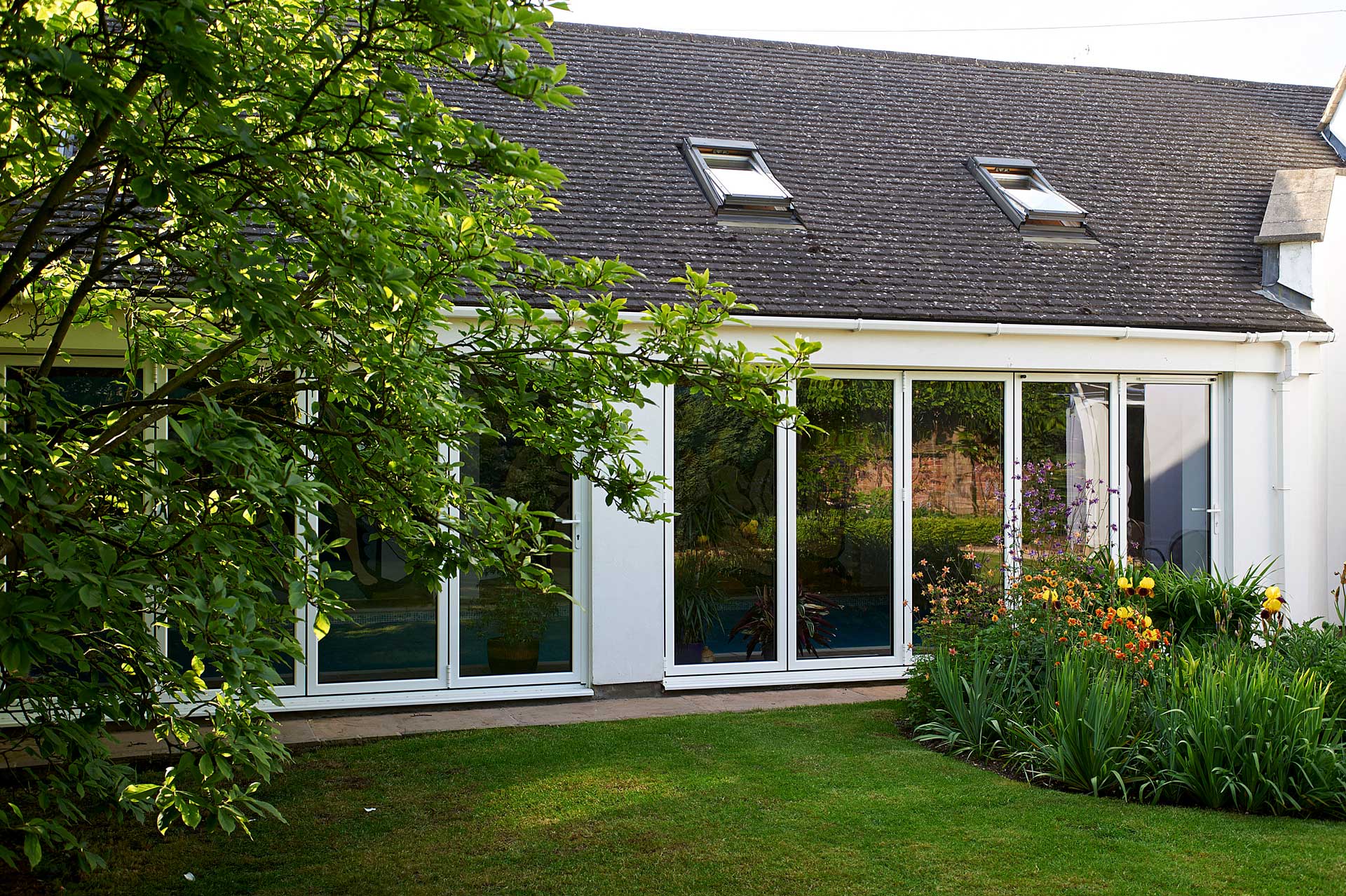
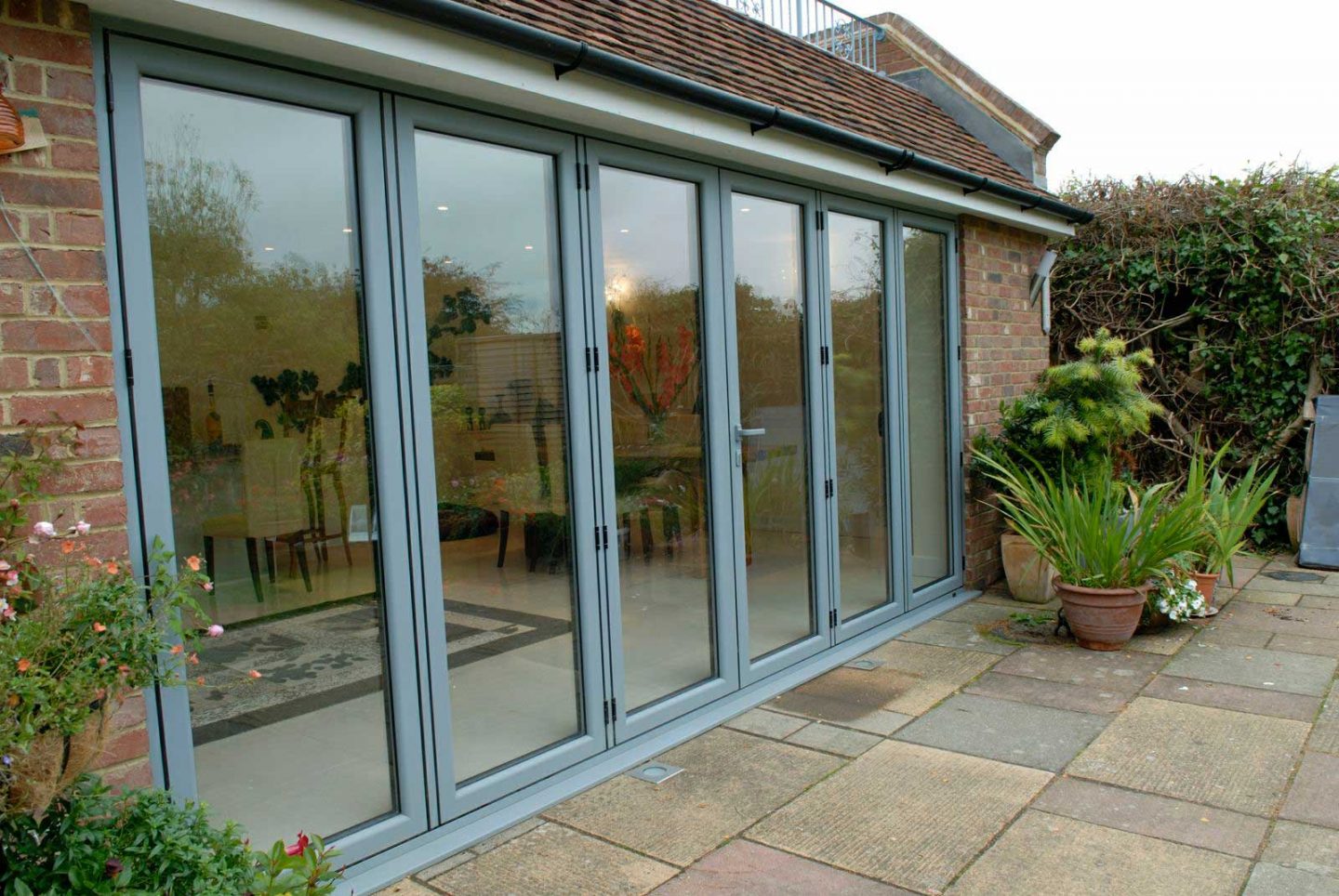
Aluminium is renowned for its high strength-to-weight ratio, which is a significant advantage in construction materials. Its inherent strength allows for slimmer frames and larger panes of glass, which promotes more natural light entry and can enhance the aesthetic lines of a property. This robustness also means aluminium frames are less likely to warp, twist, or corrode over time, essential for maintaining long-term performance in challenging weather conditions.
In contrast, uPVC frames are less strong but offer excellent resistance to warping and rotting, thanks largely to their plastic composition. However, they can degrade over time when exposed to extreme weather conditions, such as strong sunlight, if not properly treated with UV stabilisers.
Thermal Efficiency
uPVC is a non-conductive material, which means it naturally insulates against heat transfer. This property makes uPVC windows and doors great for energy efficiency, helping to keep a home warm in the winter and cool in the summer. The effectiveness can be enhanced further by integrating double or triple glazing options.
Aluminium frames can conduct heat and cold, but with the integration of a thermal break, usually a plastic section between the inside and outside of the frame, they become highly thermally efficient. As regulations on energy efficiency continue to tighten, our modern aluminium frames are designed to meet these demands, making them equally competent at insulating a property.
Maintenance and Longevity
While uPVC is often recognised for its low-maintenance qualities, aluminium offers a similarly straightforward care routine with significantly greater long-term durability. Both materials require only occasional cleaning to maintain their appearance, but aluminium frames stand out for their structural strength and resilience over time.
In the unlikely event that the surface is damaged, aluminium frames can be refinished or touched up, extending their lifespan even further. With a design life often exceeding several decades, aluminium is widely regarded as a long-term investment that delivers lasting performance, structural integrity, and aesthetic appeal.
Cost Considerations
Aluminium may come with a higher upfront cost than alternatives like uPVC, but this reflects its exceptional durability, longevity, and the premium value it adds to a property. Beyond its strength and weather resistance, aluminium offers a sleek, contemporary aesthetic that can elevate any building.
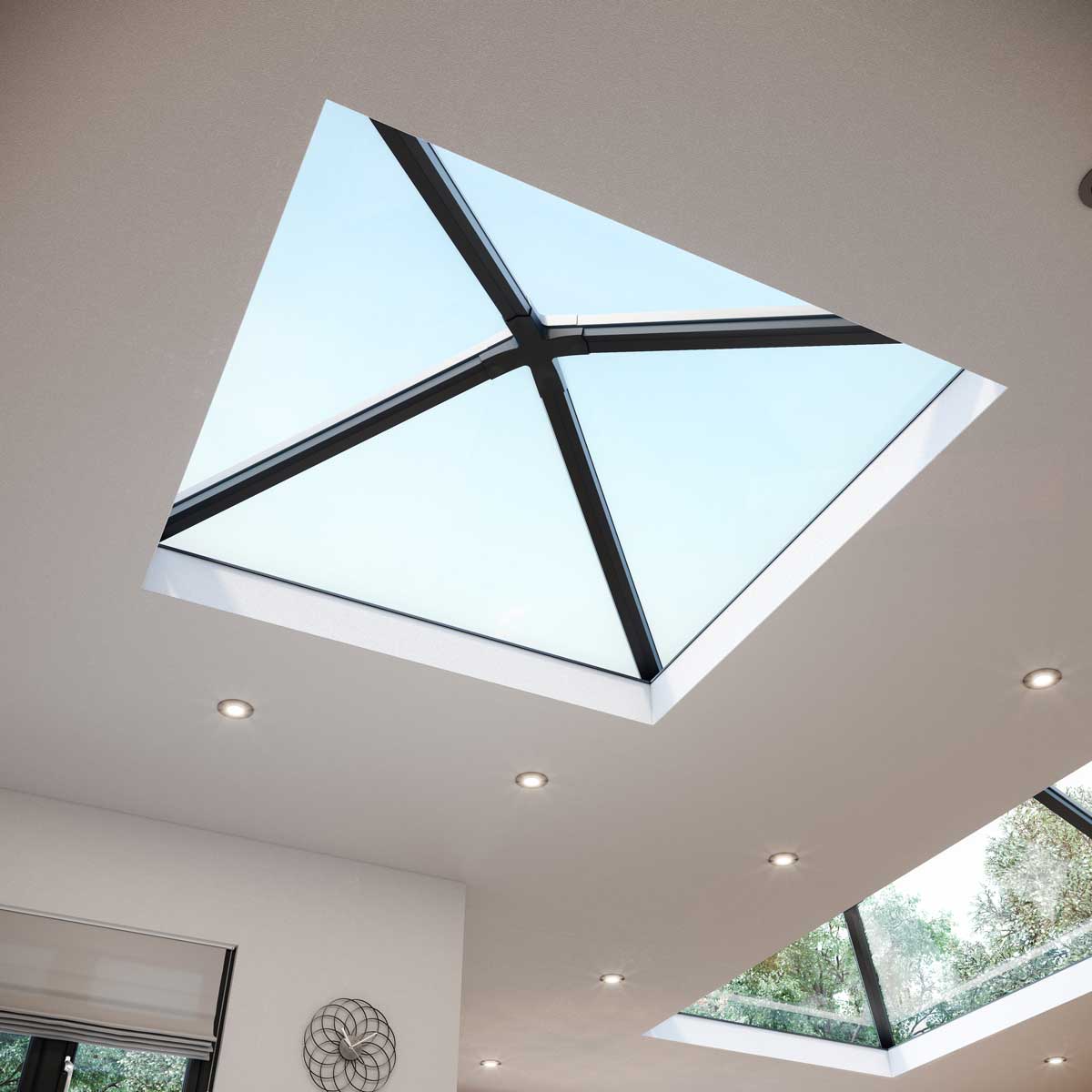
For installers, aluminium isn’t just a high-quality choice; it’s a more profitable one. Its premium pricing allows tradespeople to earn more per project while delivering a product that lasts longer and impresses clients. At Aluframes, we supply top-quality aluminium solutions, such as windows, doors and roof lanterns, that help installers maximise both performance and profits.
Why Choose Aluframes?
Both aluminium and uPVC have their place in construction, each offering unique benefits. As an installer, understanding these materials allows you to provide valuable advice to your clients, helping them to make informed decisions that will affect the comfort, appearance, and efficiency of their properties for years to come.
For more details and to explore our extensive range of aluminium products, feel free to contact us directly. We’re here to help you deliver outstanding quality and performance in all your installation projects. Get a quote today and see how partnering with Aluframes can benefit your business.
Categories: Updates